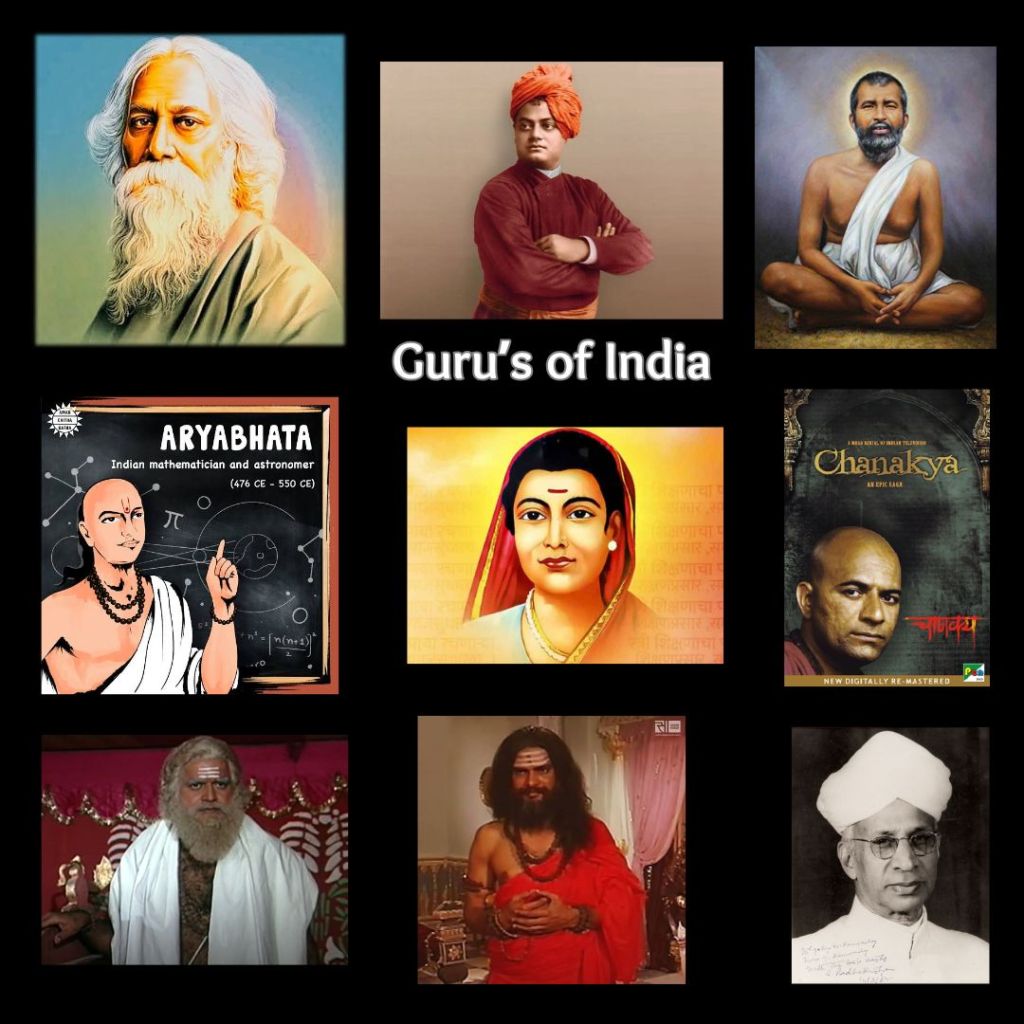
Guru Purnima falls on the full moon of the Hindu month of Ashadha, usually in July. It’s one of the oldest teacher-honoring traditions in the world and one of the least understood outside India. Most people know it as “the day you thank your teacher.” Fewer know it’s named after a specific person, or that the idea of a Guru in Indian history runs through everything from ancient warfare to modern statecraft to the country’s first schools for girls.
This guide walks through both: what Guru Purnima means, who it’s named after, and ten of the most influential gurus in Indian history and mythology, from the Mahabharata to modern India.
What Is Guru Purnima and Who Is It Named After?
Guru Purnima is named for Ved Vyasa, the sage traditionally credited with compiling the four Vedas and authoring the Mahabharata. Because of this, the day is also called Vyasa Purnima. Ved Vyasa is considered the Adi Guru, or “first teacher,” in Hindu tradition, which is why the festival that honors all teachers carries his name specifically.
Famous Gurus in Indian Mythology
Dronacharya

Dronacharya trained both the Pandavas and the Kauravas — the two opposing sides of the Mahabharata war. Nearly every military strategy used at the Battle of Kurukshetra can be traced back to what he taught them as students.
Vashistha
Vashistha held the title of Raj Guru, or royal preceptor, to the Ikshvaku dynasty, including Lord Rama. In ancient Indian kingdoms, the Raj Guru’s counsel shaped royal decisions — the role went far beyond teaching into governance itself.
Vishwamitra
Vishwamitra took a young Rama and Lakshmana into the forest, training them in warfare and granting them celestial weapons before either had ever ruled anything.
Ved Vyasa
Beyond compiling the Vedas, Vyasa authored the Mahabharata — one of the two great epics of Indian literature, and the reason Guru Purnima carries his name.
Gurus Who Shaped Statecraft and Science
Chanakya
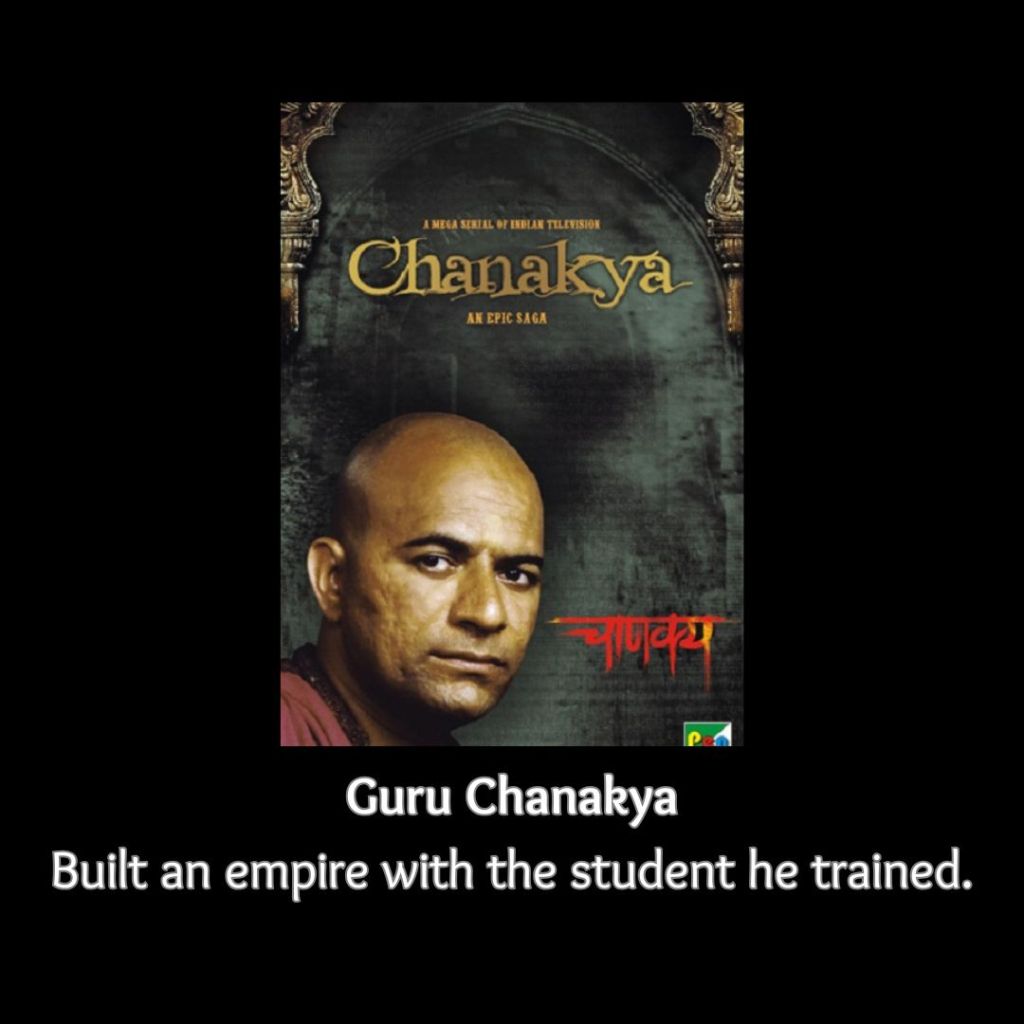
Chanakya, also known as Kautilya, was the guru and advisor to Chandragupta Maurya, helping him build the Mauryan Empire. He later wrote the Arthashastra, an ancient treatise on politics, economics, and governance still studied today.
Aryabhata
Aryabhata, the 5th-century mathematician and astronomer, is credited with foundational contributions to Indian mathematics, including work related to the concept of zero and early calculations of pi.
Gurus Who Shaped Modern India
Swami Vivekananda

Swami Vivekananda introduced Vedanta and yoga to a global audience with his 1893 address at the Parliament of the World’s Religions in Chicago — a speech still referenced today, over a century later.
Rabindranath Tagore
Rabindranath Tagore founded Shantiniketan, a school built around open-air learning, reshaping ideas about education in early 20th-century India. He remains the only person to have written the national anthems of two countries.
Savitribai Phule
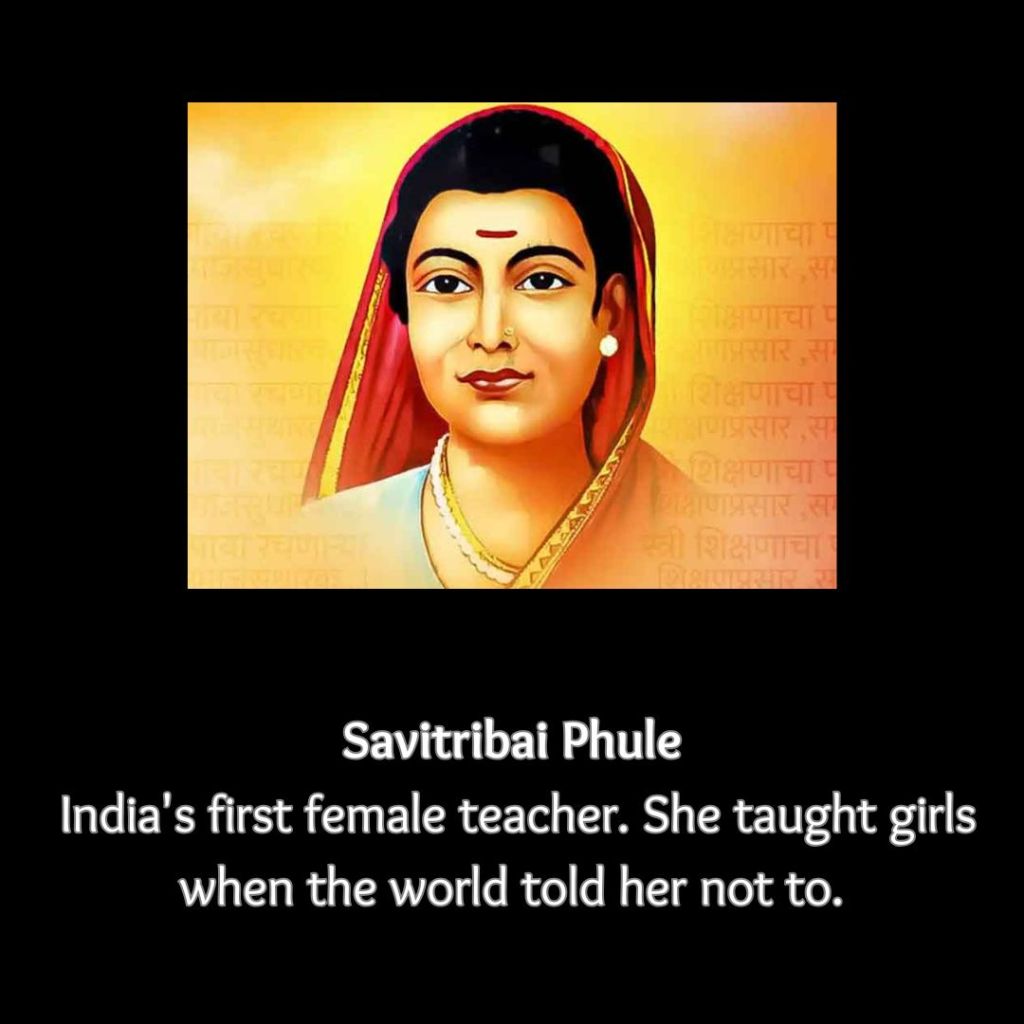
Savitribai Phule is widely regarded as India’s first female teacher. In the mid-1800s, she opened schools for girls at a time when doing so meant facing daily hostility — laying the groundwork for women’s education in India.
Sarvepalli Radhakrishnan
Sarvepalli Radhakrishnan, philosopher and India’s second President, is the reason India celebrates Teachers’ Day on September 5th — his birthday.
Why Guru Purnima Still Matters
From ancient gurukuls to modern classrooms, the role of the Guru in Indian history has never been just about academics. It has shaped kingdoms, built empires, and opened doors for people who were told education wasn’t meant for them. Guru Purnima is a reminder that this thread — passing wisdom from one generation to the next — has never actually broken.
Looking for ways to introduce your kids to figures like these? Explore Kulture Khazana’s collection of culturally rooted puzzles, craft kits, and storytelling products designed to make Indian heritage tangible for the next generation.