What Is Holi?
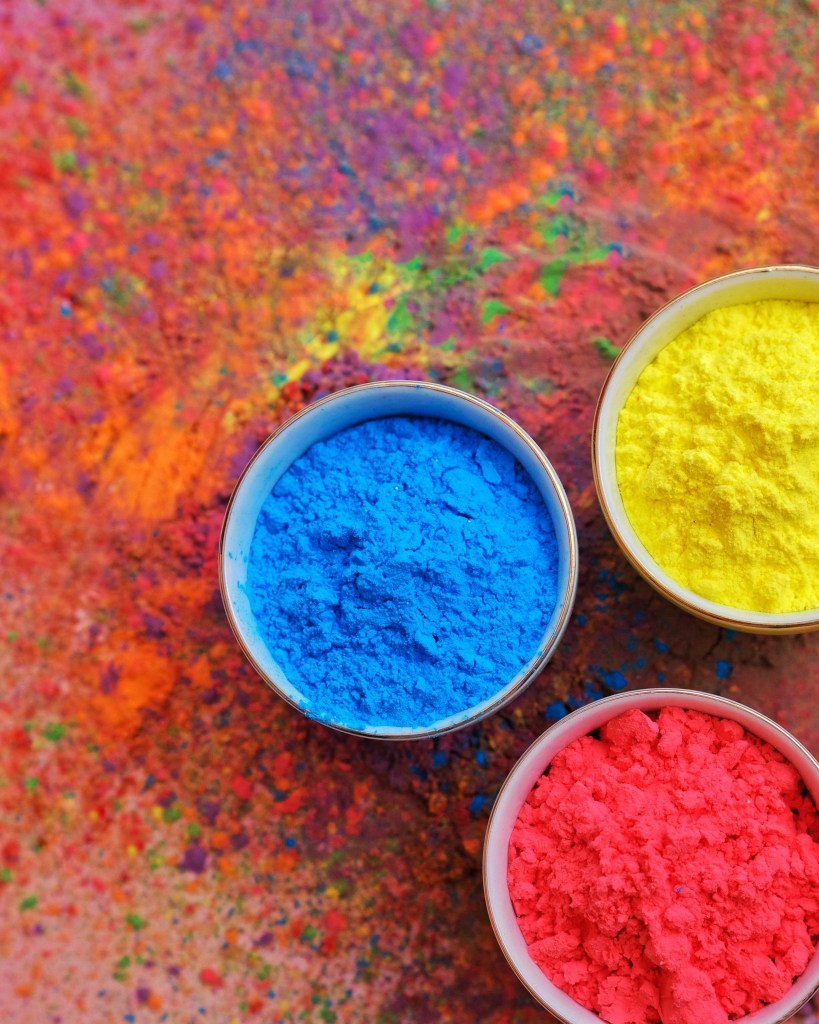
Holi is a Hindu spring festival celebrated across India and around the world. It is often called the Festival of Colors because people gather to throw vibrant Holi color powder (gulal) in the air and on each other.
But Holi is more than color.
Holi celebrates:
- The arrival of spring
- The triumph of good over evil
- Renewal and forgiveness
- Community and equality
And if you’ve ever wondered, “Why do people throw color powder?” — keep reading.
The Meaning of Holi: Why It Matters
At its heart, Holi represents renewal. Winter ends. Spring begins. Light wins over darkness.

In a world that can feel heavy, Holi reminds us to start fresh.
When everyone is covered in bright pinks, yellows, blues, and greens, social differences disappear. You cannot tell who is wealthy, who is powerful, who is older or younger.
Holi creates equality through joy.
That symbolism is why Holi has grown beyond India and is now celebrated globally — including across the United States in schools, universities, temples, and community festivals.
The Stories Behind Holi
Like many Hindu festivals, Holi is rooted in powerful stories.
The Story of Prahlad and Holika
One of the most well-known Holi traditions comes from the story of Prahlad, a young boy devoted to goodness, and Holika, who represents evil. His devotion to Lord Vishnu protected him from fire that his father, the King, sent him in with Holika.
The night before Holi (called Holika Dahan), families light bonfires to symbolize the burning away of negativity and the triumph of faith and truth.
Krishna and Radha: The Playful Colors of Love
Another beloved story explains the color play itself.
Lord Krishna, worried about his dark complexion compared to Radha’s fair skin, playfully colored her face. This act of love and equality became symbolic of the joyful throwing of colors during Holi.
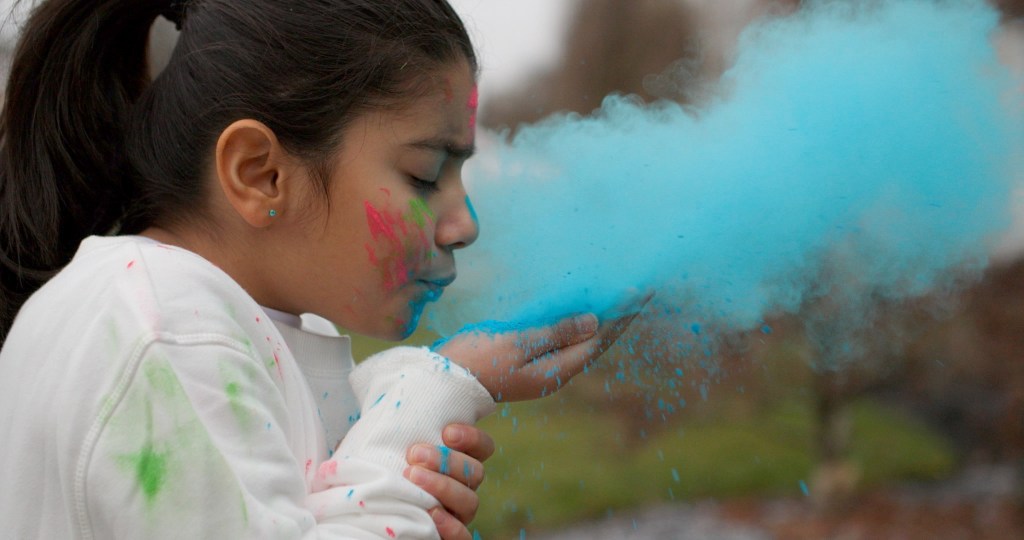
Today, when people apply Holi colors to one another, it represents:
- Love
- Playfulness
- Unity
- Equality
If you’re celebrating Holi with children, stories make everything more meaningful.
We created a special Holi episode on our Spotify podcast, Treasure Tales, where we narrate the story of Holi in a way kids can truly understand: through voice, music, imagination, and cultural context.
Listen to the Holi Story on Spotify.
Whether you’re a parent, teacher, or planning a classroom celebration, this is a beautiful way to begin your Holi celebration before the colors come out.
Why Do People Throw Holi Color Powder?
Holi color powder (gulal) was traditionally made from flowers, herbs, and natural ingredients like:
- Turmeric (yellow)
- Hibiscus (red)
- Indigo (blue)
- Neem and other botanicals
Today, modern Holi celebrations use non-toxic, skin-safe color powders designed specifically for safe play.
Throwing color represents:
- Letting go of ego
- Celebrating community
- Marking the arrival of spring
- Embracing joy
How to Celebrate Holi
Whether you’re celebrating Holi at home, in a classroom, or at a large community festival, here’s how to celebrate safely and meaningfully:
1. Share the Story First
Teach children the meaning of Holi traditions before the color play begins.
2. Use Non-Toxic Holi Color Powder
Always choose skin-safe, non-toxic color powder designed for Holi celebrations.
3. Wear White
White clothing makes the colors vibrant and visible.
4. Create Inclusive Play
Holi is about unity. Make sure everyone feels welcomed and comfortable participating.
5. Celebrate Responsibly
Protect eyes, avoid inhalation, and respect personal boundaries.
Holi for Kids: Teaching Culture Through Joy
For children, Holi is magical.
But Holi is also a powerful opportunity for:
- Cultural education
- Teaching global traditions
- Celebrating diversity
- Encouraging empathy
When we share Holi traditions with kids, we are not just throwing colors.
We are telling stories.
We are passing down history.
We are building cultural understanding.

Is Holi Safe?
When celebrated responsibly, Holi is safe and joyful.
To ensure safety:
- Choose certified non-toxic Holi colors
- Avoid unknown chemical powders
- Protect eyes
- Supervise young children
- Encourage respectful participation
Quality matters — especially when it comes to color powder.
Holi in the United States
Holi celebrations have grown significantly in the US over the past decade.
You’ll now find Holi events at:
- Universities
- Community centers
- Temples
- Cultural festivals
- Corporate ERGs
- Schools
As Indian culture becomes more visible globally, Holi has become one of the most recognized Hindu festivals worldwide.
But with growth comes responsibility — ensuring education accompanies celebration.
Why Holi Matters to Me
I grew up in India celebrating with family.
Now, as an immigrant mom and founder sharing Indian culture through play, Holi feels even more meaningful.
Holi is not just color.
It is memory.
It is belonging.
It is identity.
It is joy.
And when shared thoughtfully, it becomes something universal.
Final Thoughts: Holi Is More Than a Festival
If you searched “What is Holi?” I hope you now see that Holi is more than just a color fight.
It is:
A story.
A season.
A reminder that light wins.
And a celebration of shared humanity.