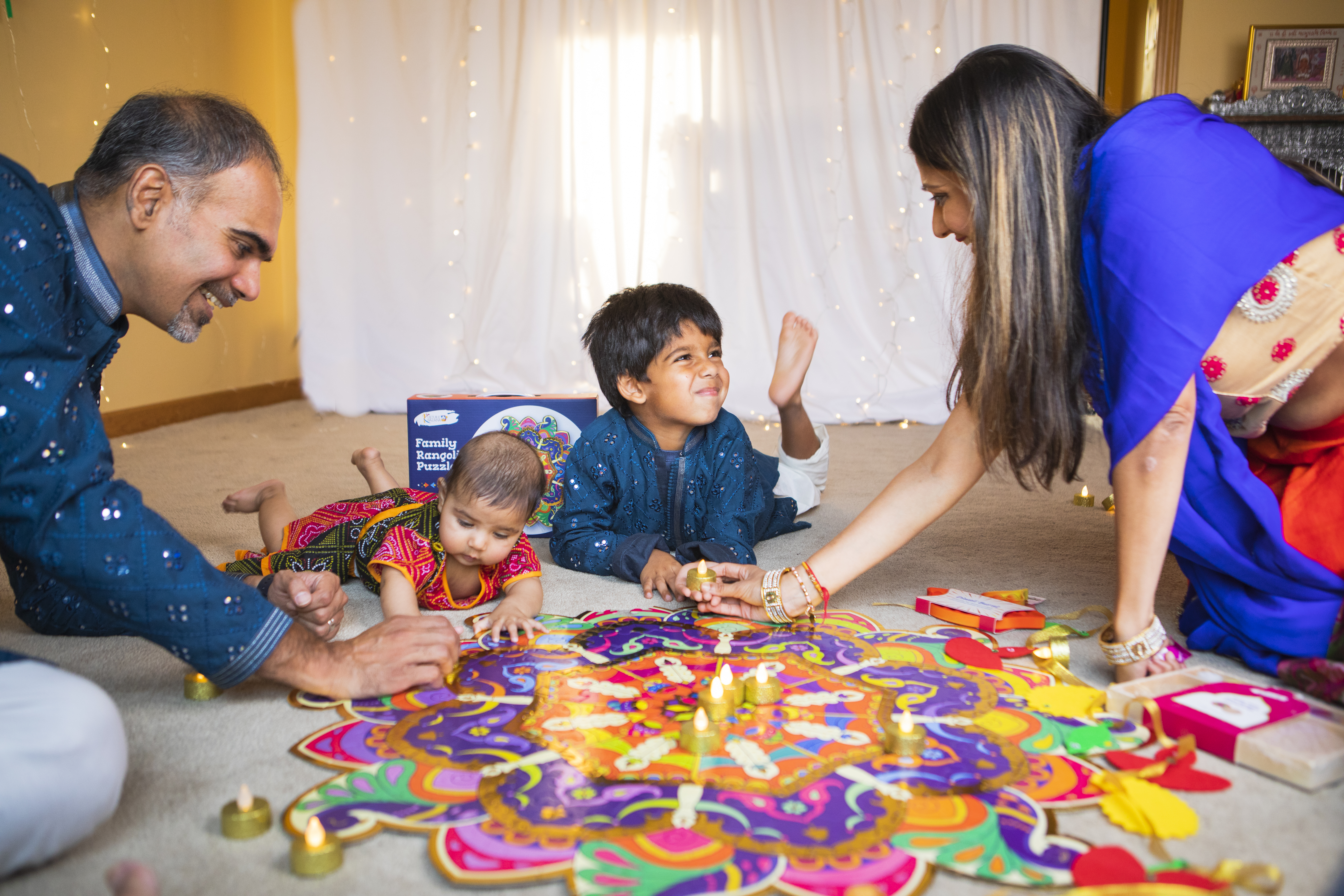
Across college campuses, Holi has become one of the most loved spring events and not just within South Asian student groups.
It’s colorful. It’s joyful. And most importantly, it’s one of the most inclusive ways to share culture with the entire campus.
For many students, Holi is their first hands-on experience with South Asian culture. For organizers, it’s a moment of pride, watching classmates, friends, and professors come together to celebrate something deeply meaningful.
If you’re planning a Holi event this year, here’s how to think about it: from culture to logistics, and from color to music.

Holi on Campus Is About Sharing Culture, Not Just Throwing Color
Student-led Holi celebrations are powerful because they:
- Invite everyone, regardless of background
- Turn culture into a shared experience, not a performance
- Create joy in a way that feels open, playful, and welcoming
Many student organizations intentionally design Holi to be:
- Free or low-cost for attendees
- Hosted in central campus spaces
- Open to students who may have never heard of Holi before
That’s what makes it special. Holi becomes a moment where culture is experienced, not explained.
Music + Color: What Turns Holi Into an Unforgettable Campus Experience
One of the most magical parts of a campus Holi celebration?
Music playing as color fills the air.
When music and color come together, it:
- Breaks social barriers instantly
- Gets even hesitant first-timers involved
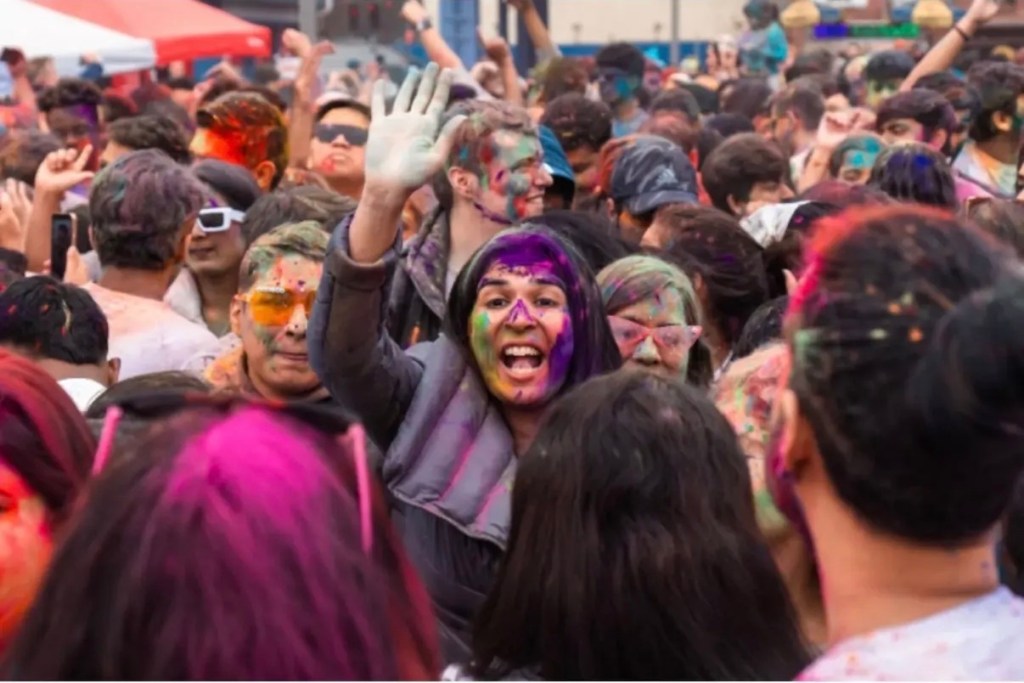
- Creates moments students will record, repost, and remember
Many successful campus Holi events include:
- A DJ or curated playlist (Bollywood, Punjabi, fusion, EDM remixes)
- High-energy tracks during peak moments
- Slower songs at the start to ease people in
Timed Color Tosses = Pure Magic
A simple but powerful idea:
- Pause the music
- Count down together
- Toss color all at once when the beat drops
Timed color throws:
- Create stunning visuals
- Make everyone feel included in a shared moment
- Lead to some of the best photos and videos of the year
These are often the images student organizations use later for:
- Recruitment
- Funding proposals
- Social media highlights
- Year-end recap posts
Planning with Intention: What Student Leaders Should Think About
1. Budgeting for Holi (and Making It Stretch)
Most student orgs are working with:
- Limited funding
- Multiple spring events
- A need to justify expenses to student government
Common budget considerations:
- Color powder (bulk pricing helps)
- DJ or sound system
- Event supplies (gloves, buckets, trash bags)
- Marketing and flyers
Tip: Planning early allows groups to:
- Secure better pricing
- Co-host with other orgs
- Apply for multicultural or DEI funding
2. Choosing the Right Location on Campus
The best Holi events are:
- Visible
- Accessible
- Easy to clean afterward
Popular campus locations include:
- Quads
- Lawns
- Open courtyards
- Athletic fields
Before confirming a space, student orgs often check:
- Facilities guidelines
- Noise policies (especially for music)
- Water access for cleanup
3. Color Safety Matters (For Students and the University)
This is one of the most important—and most overlooked—parts of planning a campus Holi event.
Universities and venues often want reassurance that:
- Colors are non-toxic
- Safe for skin and eyes
- Washable from clothes and surfaces
- Environmentally responsible
One smart step student organizers can take:
Ask your color vendor for a Safety Data Sheet (SDS).
An SDS:
- Outlines ingredients and safety information
- Helps student organizations meet liability or risk-management requirements
- Can be shared with the venue, student government, or campus administration if requested
Having this document ready:
- Builds trust with your university
- Makes approvals smoother
- Shows that your organization is planning responsibly
Using a vendor who understands campus events—and can provide documentation when needed—makes a big difference.

4. How Much Color Do You Actually Need?
A common planning question:
For university Holi celebrations:
- 300–350 grams per person works well
- Larger events often use bulk bags (by the pound) for easy distribution
- Slightly overestimating is better than running out mid-event
This ensures everyone—especially first-time attendees—gets the full experience.
5. Designing an Inclusive, Camera-Ready Experience
Campus Holi is meant to be shared—both in the moment and beyond it.
Many student orgs:
- Add signage explaining what Holi is
- Make announcements before color tosses
- Encourage casual, comfortable clothing
- Designate a few students to capture photos and videos
Music cues + color throws naturally create:
- Group photos
- Slow-motion videos
- Crowd shots filled with movement and joy
These visuals help Holi live on long after the event ends.
A Final Note to Student Organizers
Planning Holi takes effort—but it’s the kind of effort that builds community.
You’re not just organizing an event.
You’re creating a space where culture is shared openly, joyfully, and without barriers.
At Kulture Khazana, we’ve seen how music, safe color, and thoughtful planning come together to create Holi celebrations that students talk about for years.
- Image by Xave ↩︎